
Solar Attic Fan Installation for Summer Heat
Heat and moisture don’t leave your attic on their own. Solar attic fans actively remove buildup throughout the day — helping regulate conditions inside the attic before they impact your home.
Your Attic May Be Holding More Heat Than It Should
As outdoor temperatures rise, heat builds inside the attic and can reach extreme levels during the hottest part of the day. Without enough airflow, that heat lingers long after the sun goes down.The trapped heat can radiate into the rooms below, creating uneven indoor temperatures, and force your cooling system to work harder to maintain comfort. Moisture can also collect in poorly ventilated areas, contributing to odors, material deterioration, and other problems that may remain hidden until they become costly.Improving attic ventilation helps move that trapped air out instead of allowing it to build day after day.
Natural Ventilation Isn’t Always Enough
Standard attic ventilation depends on natural air movement through soffit, ridge, or static roof vents. While these systems play an important role, natural airflow is not always strong or consistent enough to keep up with the most demanding summer heat.When airflow slows, heat and moisture remain trapped in the attic. That buildup can reduce the effectiveness of insulation, place additional strain on your HVAC system, and make the home harder to cool evenly.A solar attic fan adds active ventilation, helping move hot, stagnant air out when passive systems alone cannot keep pace.
Automatic Active Ventalation
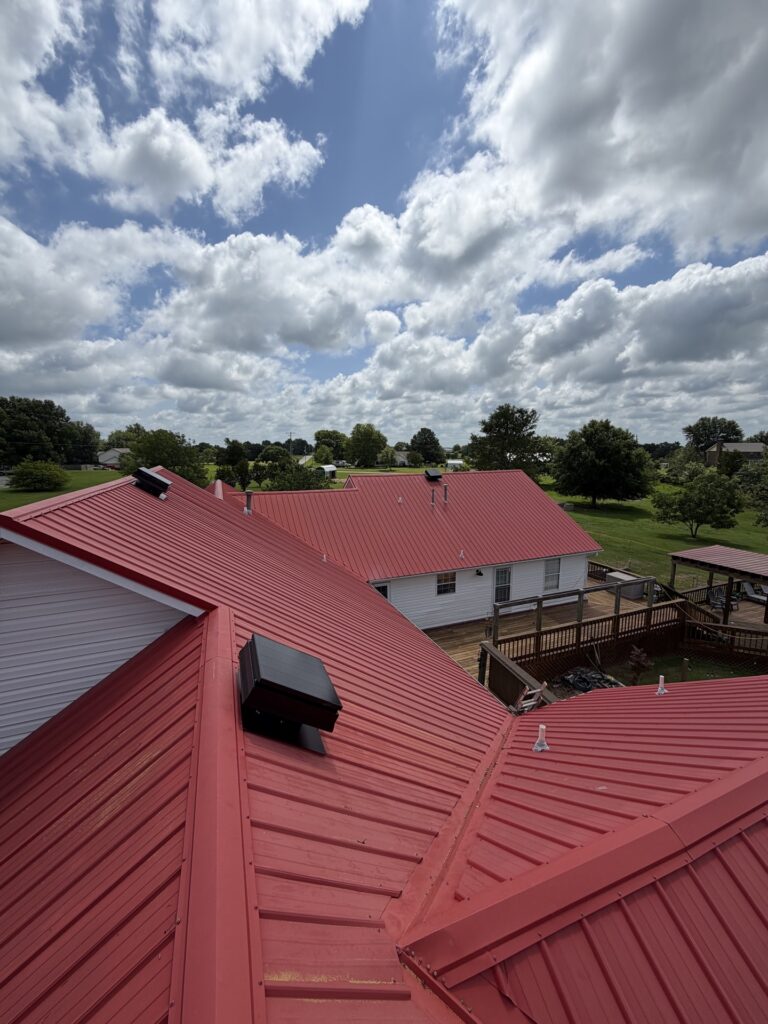
Solar attic fans actively pull hot, humid air out of the attic throughout the day without drawing electricity from your home. As sunlight powers the system, the fan helps increase air movement and reduce heat buildup during the hours when the attic needs relief most.The systems we install are designed to operate automatically based on attic conditions. Thermostatic and humidity controls allow the fan to respond when heat or moisture reaches preset levels, so homeowners do not have to switch the system on or monitor it manually.It is a simple, low-maintenance upgrade that can make a noticeable difference in the way your attic handles heat and airflow.
A Cool & Controlled Attic
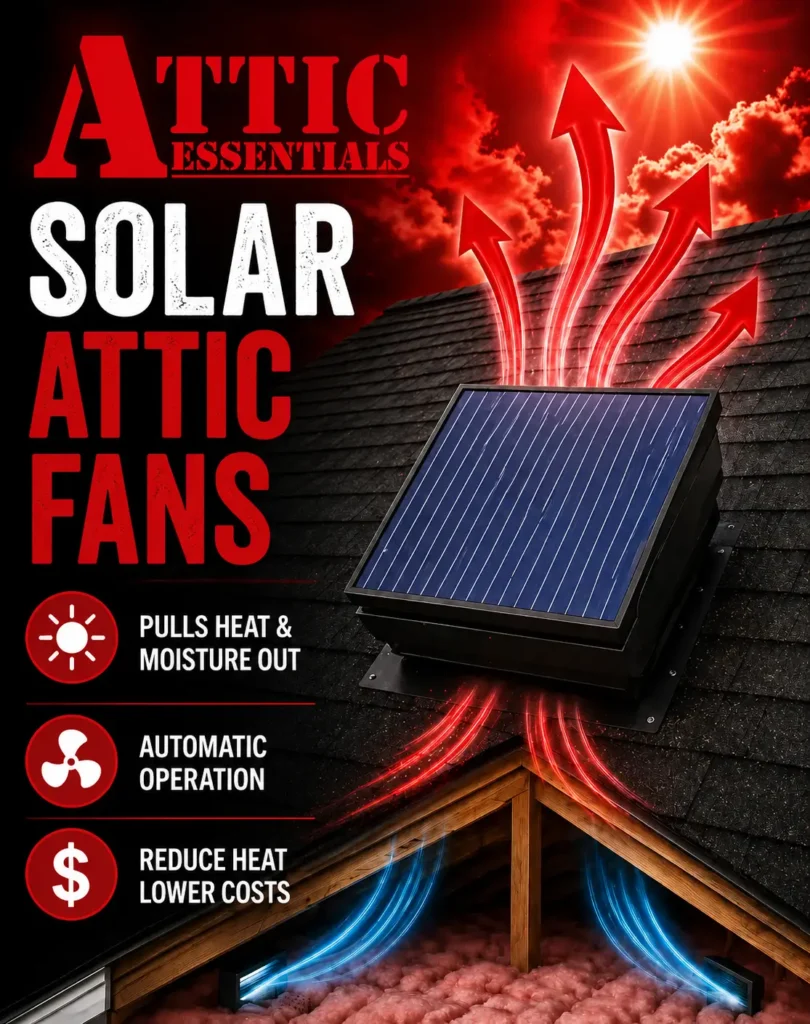
A solar attic fan helps move trapped heat and stale air out of the attic before they begin affecting the comfort of the rooms below. By improving ventilation during the hottest parts of the day, it supports a cooler attic, more stable indoor temperatures, and a home cooling system that does not have to work as hard.
- Lower attic temperatures during peak heat
- Less heat transferring into the living areas below
- Reduced strain on the home’s cooling system
- Improved airflow throughout the attic
- No ongoing electricity cost for operation
Precise Solar Fan Installation Process
More Than Just a Roof Fan
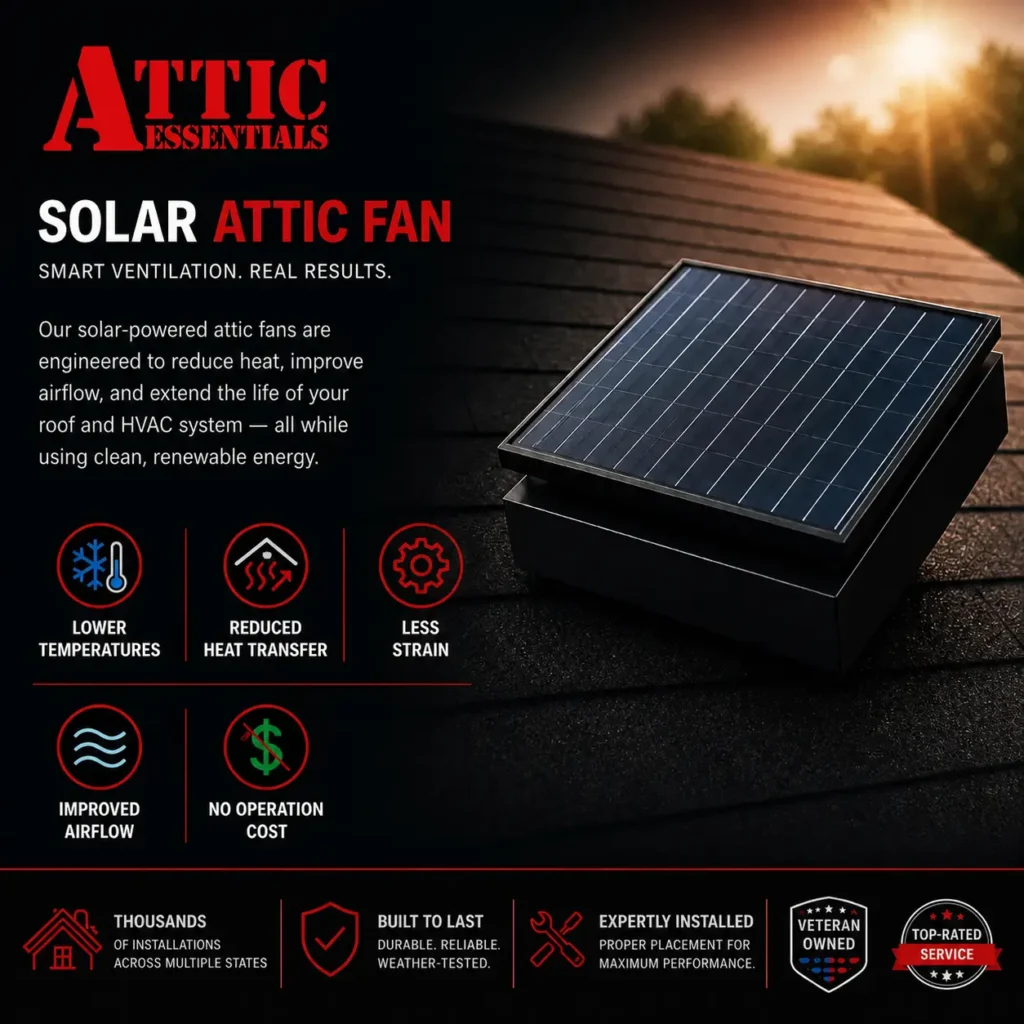
The solar attic fans we install are designed for dependable, long-term performance in demanding attic and roof conditions. These are not basic add-ons; they are purpose-built ventilation systems designed to operate automatically and efficiently.Depending on the system selected, performance features may include:
- Quiet, balanced fan blades
- A stainless-steel wildlife guard
- Durable, impact-resistant solar panels
- No ongoing operating cost
- High airflow capacity of up to 1,550 CFM
- A 30-watt adjustable solar panel
- Built-in humidity sensing
- A variable-speed 24-volt DC brushless motor
- Impact-resistant solar components
- Strong warranty protection
- Thermostatic control for automatic operation
The goal is quiet, reliable ventilation that works day after day without requiring constant attention from the homeowner.
A Healthier Attic Ecosystem
Solar fans work best as part of a balanced attic ecosystem. Insulation helps slow heat transfer, radiant barrier helps reflect heat at the roofline, and proper ventilation helps remove the heat and moisture that may enter the space.By actively moving trapped air out of the attic, solar ventilation can help insulation perform more effectively and support more stable and comfortable conditions throughout the home.The result is not simply more airflow, it is a properly functioning attic where heat control, insulation, and ventilation work together rather than against one another.
Proven Work. Reliable Performance.
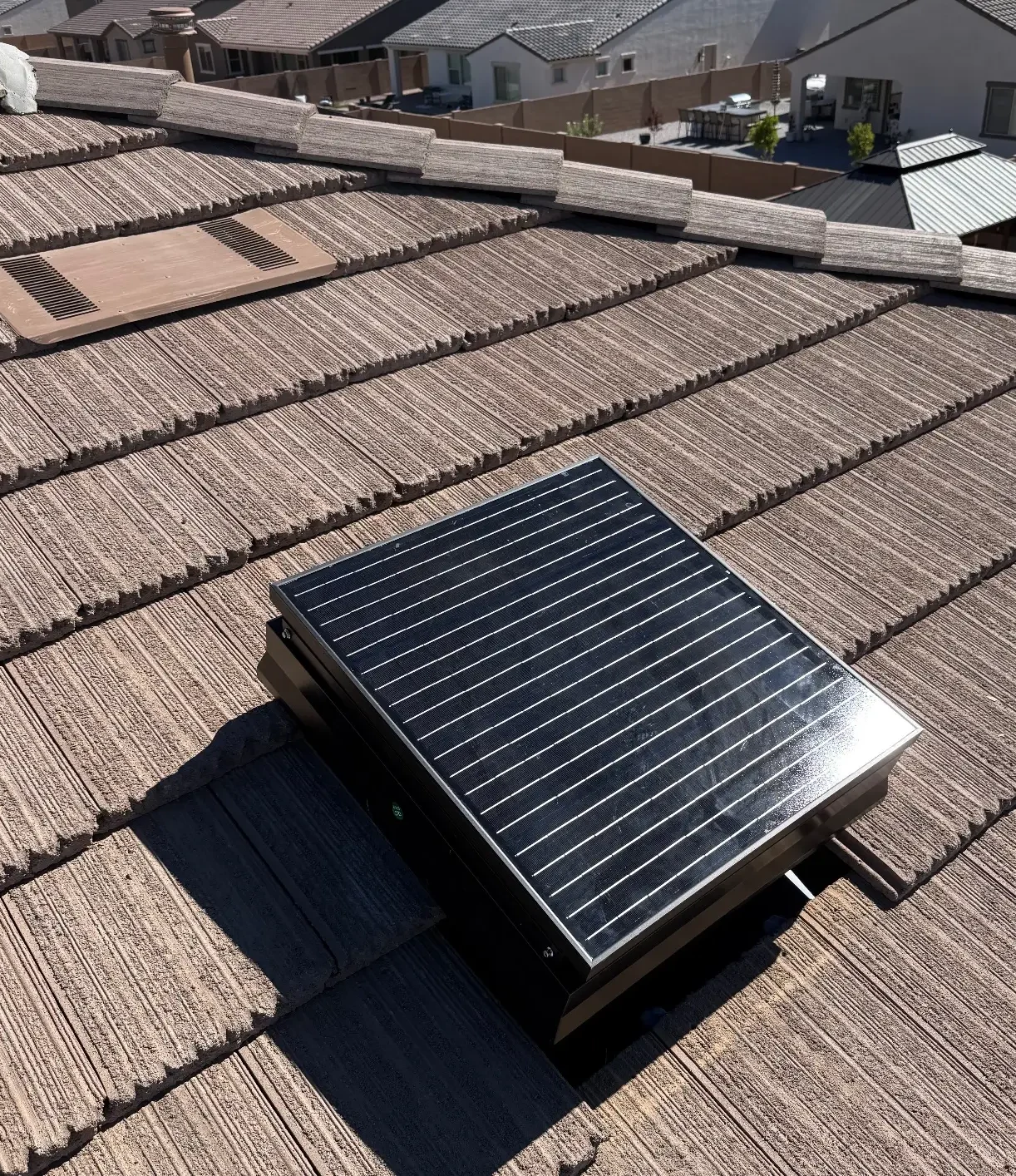
With more than 10,000 completed projects, Attic Essentials brings extensive experience to attic ventilation and energy-performance improvements. Our team understands that product quality matters, but proper placement, sealing, and installation are just as important to the system’s long-term performance.From individual homes to larger residential projects, we approach every installation with attention to detail, clear communication, and a commitment to doing the work correctly the first time.
Start with Smarter Ventilation
If your attic holds heat longer than it should, adding more insulation may not address the entire problem. A professionally installed solar attic fan can help move trapped heat and moisture out, support better airflow, and reduce the burden on your cooling system.Attic Essentials will evaluate your attic, explain whether active ventilation is the right solution, and install a system designed around your home’s layout and performance needs.
Let’s look at your attic
Free assessment, clear price before any work starts.